
Overview
Journaling offers numerous benefits like mental clarity, stress relief, and enhanced creativity. To start, choose the right journal based on size, paper quality, and design. Establish a consistent routine by setting a specific time and starting small. Explore different styles such as bullet, gratitude, and travel journaling. Overcome challenges like writer's block and inconsistency by changing your approach and engaging with a community. Personalize your journal and embrace the journey, allowing it to be a lifelong companion for self-expression and reflection.
Frequently Asked Questions
1. What are the benefits of journaling?
2. How do I choose the right journal for me?
3. How can I establish a consistent journaling routine?
4. What are some common journaling styles I can explore?
5. How can I overcome challenges like writer's block while journaling?
Journaling can be a life-changing habit that promotes mental clarity, creativity, and emotional well-being. If you’re new to the world of journaling, the array of options and styles might feel overwhelming. Don't worry, though! This guide will help you get started with journaling and make the most out of your journey.
Understanding the Benefits of Journaling
Before jumping into the practicalities of journaling, it's essential to understand why journaling can be beneficial. Here are a few advantages:
- Mental Clarity: Writing your thoughts down helps in clearing your mind and organizing your ideas.
- Stress Relief: Journaling serves as a therapeutic outlet, helping to alleviate stress and anxiety.
- Enhanced Creativity: Regular writing promotes creativity, allowing you to explore thoughts and feelings more deeply.
- Goal Setting: A journal can be a powerful tool for setting and tracking your goals.
Choosing the Right Journal
The first step in your journaling journey is selecting a journal that suits your style and needs. One great option is a Blank Pages Journal. The versatility of a blank pages journal allows for freeform expression, making it simple to doodle, sketch, or write in any style you prefer. Here are some factors to consider when choosing your journal:
Size Matters
Consider how you intend to use your journal. If you plan on taking it with you on the go, a smaller size may be more appropriate. However, if it’s for home use, a larger journal might offer you more writing space.
Paper Quality
If you enjoy using various writing instruments, from pens to markers, pick a journal with high-quality paper that can handle different ink types without bleeding through.
Cover Design
The cover of your journal can inspire creativity. Choose a design that resonates with you, whether it's minimalist, colorful, or artistic. Your journal will be a reflection of your personality, so pick one that you’ll be excited to open each day!
Establishing a Journaling Routine
One of the most challenging aspects of starting a journal is developing a consistent habit. Here are some tips to establish a journaling routine:
Set a Specific Time
Choose a time of day that works best for you—whether it's early morning, lunchtime, or before bed. Find a quiet space free from distractions to get into the right headspace for writing.
Start Small
If you’re new to journaling, begin with just a few minutes each day. You can gradually increase the time as you become more comfortable with the process. Even just writing a few sentences can be impactful!
Use Prompts for Inspiration
On days when you’re feeling stuck, prompts can spark your creativity. Consider questions or themes like:
- What made me smile today?
- What are three things I am grateful for?
- What is something I want to achieve this week?
Making the Most of Your Journal
Once you've established a routine, the next step is to maximize the effectiveness of your journaling. Here are some strategies to consider:
Doodle and Sketch
If you feel like words aren’t enough, grab your colored pens and start doodling. Adding images and drawings alongside your text can help convey emotions and thoughts that words may not capture.
Keep an Open Mind
Journaling is a personal journey. Allow yourself the freedom to write without judgment. Remember, there are no rules in your Blank Pages Journal. Write what feels right for you, and don’t be afraid to express your true feelings.

Review and Reflect
Take time to review your past entries periodically. Reflecting on your thoughts and feelings can provide insights into your personal growth and development. It can be eye-opening to see how your perspectives have evolved over time.
Types of Journaling Styles
Different journaling styles can cater to your individual preferences. Here are some popular styles you can explore:
Bullet Journaling
This style combines organization and creativity, allowing you to track tasks, events, and thoughts while incorporating artistic elements. Bullet journaling encourages you to create your unique structure and layout, making it ideal for those who prefer a customizable approach.
Gratitude Journaling
In a gratitude journal, you focus on writing down things you’re thankful for on a daily or weekly basis. This practice has been shown to enhance overall happiness and satisfaction in life, helping to shift your focus from negativity to positivity.
Travel Journaling
If you're an avid traveler, documenting your adventures can be a meaningful way to capture memories. Include photos, ticket stubs, and jot down your experiences and emotions to relive those moments whenever you read your entries.
Overcoming Common Journaling Challenges
As with any new practice, you may encounter difficulties while journaling. Here are a few common challenges and how to overcome them:
Writer's Block
It’s normal to feel stuck from time to time. When this happens, consider changing your environment, trying a different journal, or using prompts to stimulate your creativity. Remember, only a few sentences or a bullet-point list can suffice on tough days.
Inconsistency
Many people struggle to maintain consistency with journaling. Create a designated journaling spot or engage with a journaling community online to keep motivation high. Setting reminders on your phone can serve as helpful nudges to guide you back to your practice.
Transforming Your Journal into a Lifelong Companion
Your journal is not just an ordinary notebook; it’s a reflection of your life journey. Here’s how to ensure it remains a beloved companion:
Personalize Your Pages
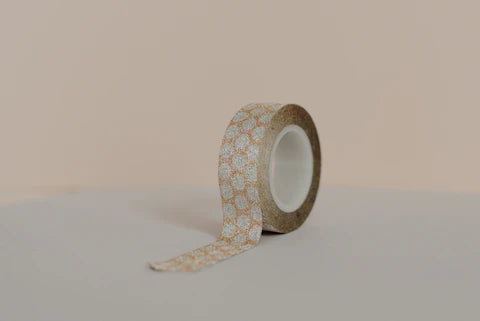
Decorate your journal with stickers, washi tape, or sketches. Personalization makes the experience more enjoyable and your journal a unique piece of art.
Expand Beyond Writing
Incorporate other forms of expression, such as collages or doodles. Allow your journal to evolve into a creative space that combines words, images, and emotions.
Share Your Journey
Consider sharing your journaling experiences on social media or with friends. Connecting with others can provide encouragement and new insights into your journaling methods.
Embrace the Journey
As you embark on your journaling journey, remember that the process is more important than the end result. Your Blank Pages Journal is full of potential, waiting to be filled with your thoughts, dreams, and experiences. Embrace what makes your journaling unique—there’s no right or wrong way to do it! Allow yourselves to grow, learn, and find joy in every word you write. In time, journaling may just become one of the most rewarding habits in your life.
Linked Product

Leather-Bound Travel Blank Pages Journal
The Leather-Bound Travel Blank Pages Journal is an ideal companion for those starting their journaling journey. With 320 blank pages, it provides ample space for capturing thoughts, sketches, and memories while traveling or exploring new ideas. The durable leather cover not only adds a touch of elegance but also ensures your journal can withstand the rigors of frequent use.
View Product